
Site selection: Discover the best location for your projects
Site selection is one of the most important steps in any project, whether you’re opening a corporate office or setting up a manufacturing facility. The right location can make or break your venture, which is why experienced selectors, consultants, and real estate professionals take a strategic, data-driven approach to the site selection process.
With modern methods, teams can instantly compare thousands of data points and discover the ideal land for their future projects. These platforms let you evaluate site factors, like demographics and utilities, and set your project up for success.
Explore why site selection is important, which criteria matter, and how to transform your plans from blueprints to reality.
Why is site selection important? An application across industries
Site selection is more than picking a spot on a map — it’s about finding a location that gives your project the best chance to succeed. Businesses must consider factors like local demographics, infrastructure, and workforce availability. This lets you compare options and choose a site that meets your project’s unique needs.
This process isn’t limited to a single sector. Here’s how professionals use site selection analysis in five different industries:
- Retail: In retail site selection, teams analyze customer behavior and demographics data to place stores where their target market shops and lives. Choosing the right location drives foot traffic, sales, and brand visibility.
- Utilities: Selecting specific sites for electricity, water, and sewage ensures easier access to distribution networks. Careful planning of utilities also minimizes disruptions so nearby communities experience uninterrupted service.
- Construction: Scouting construction sites early supports smoother project planning and zoning compliance. In addition, it helps developers flag challenges like poor soil conditions and environmental restrictions before work begins.
- Transportation: Picking strategic locations for transportation hubs and terminals improves connectivity while reducing costs. At the same time, it strengthens supply chain efficiency by streamlining logistics and the flow of goods.
- Real estate: Finding properties in prime locations boosts land value and future returns. Looking at market trends and neighborhood demographics makes it easier to spot real estate opportunities with room to grow.
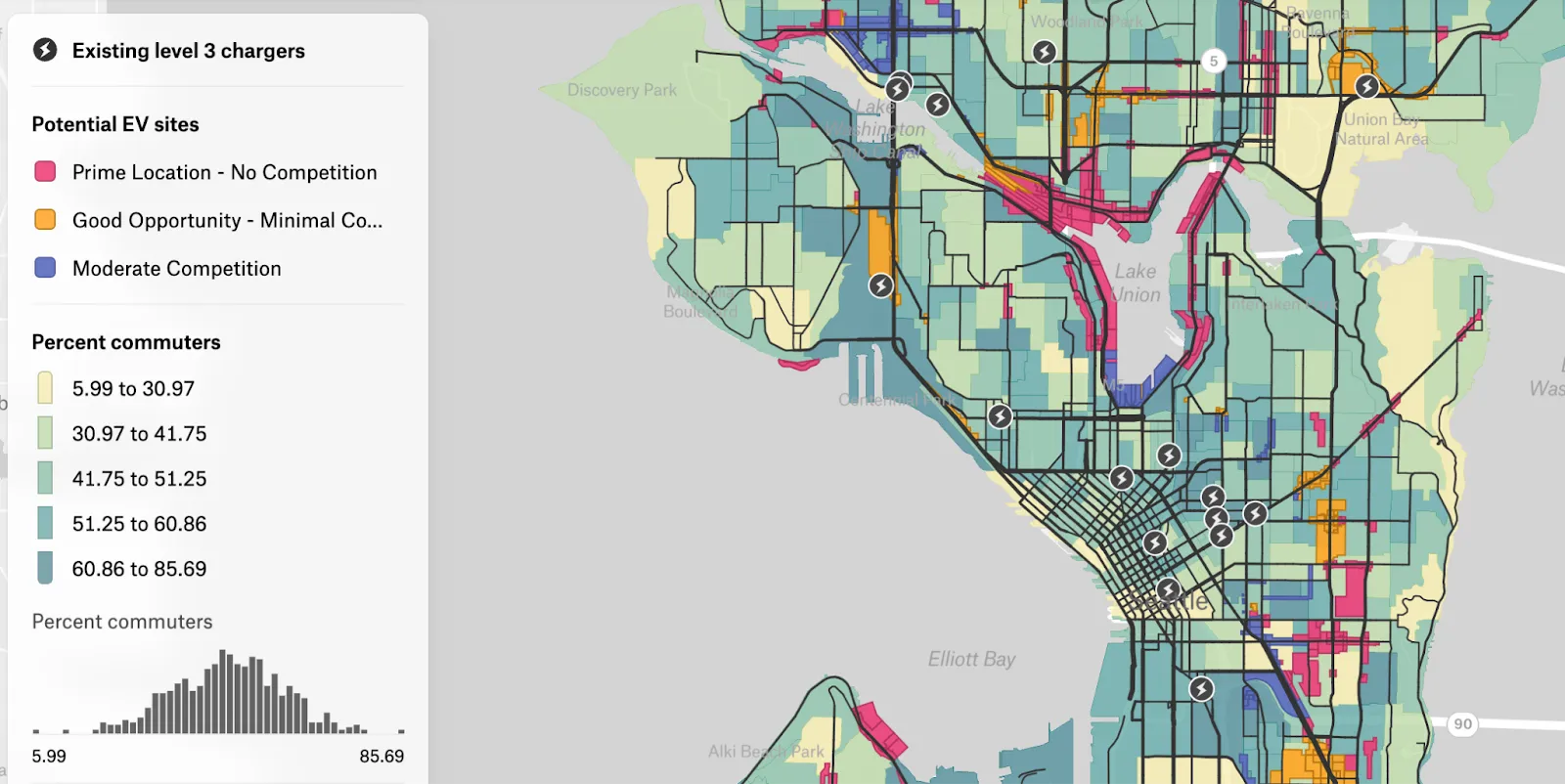
What are the 5 principles of site selection? An overview of key criteria
These five site selection criteria help teams assess locations and choose the one that best serves their goals.
1. Accessibility
Accessibility affects daily operations and long-term scalability. A strong location has reliable infrastructure, including roads, public transportation, and essential utilities. These factors determine how easily suppliers and customers can reach your site, and they reduce delays in deliveries and service response.
Many selectors and consultants start here since infrastructure limitations can quickly rule out otherwise promising locations. For instance, if a site has few convenient public roads, it wouldn’t be the best choice for housing development.
2. Cost effectiveness
A location’s affordability involves more than its purchase price or lease rate. Teams should look into taxes and labor costs, as well as government incentives (which can help offset overall expenses). It’s also a good idea to consider fees like construction transportation and regulatory compliance. When you understand the full picture of these expenses, you can choose a location that stays within budget while supporting business goals and future growth.
3. Workforce availability
When choosing a site for a business, the optimal location offers a diverse, experienced labor pool. As selectors assess the local labor market, they should pay special attention to workforce size, skill levels, and wage expectations — as well as the availability of training and talent pipelines. This information helps with hiring and retaining the right people.
4. Regulatory compliance
Local rules and regulations dictate many project points, including whether you can erect telephone poles, exceed specific building heights, and remove greenery. Because environmental protections and zoning requirements vary depending on the location, it’s smart to check the rules early so you know a site meets your project’s needs before you move forward. Real estate advisors can guide you through this process, spotting compliance risks and helping secure the necessary permits for buildings and utilities.
5. Market proximity
Being close to customers, suppliers, and key trade areas can make a big difference in a site’s success. Picking a location near your target markets can lower transportation costs during construction, then improve service levels and competitive positioning throughout the site’s lifespan. Teams should also consider historic trends to predict the site’s future development. For example, if an area has experienced steady urban development in the past 10 years, it could signal continued growth.
5 steps for an optimal site selection process
Whether you’re planning a relocation or launching a new development, these five steps will simplify the business site selection process:
- Define project requirements: Outline everything your project needs to succeed, considering factors like infrastructure and target market demographics. When you get specific about your priorities, it creates a clear framework for comparison so you can measure each option against the same standards.
- Engage stakeholders and consultants: Involve key team members and real estate experts from the start. They can provide insights around site feasibility, local regulations, and available incentives. Early collaboration keeps team members on the same page and invites multiple perspectives to make decisions.
- Research and shortlist locations: Gather information on potential sites, and narrow down your choices based on crucial details like infrastructure, transportation networks, and labor markets. Mapping software and spatial analysis tools can help you rule out unsuitable options fast, leaving you with a data-informed, focused location list.
- Evaluate and compare sites: Review your shortlist, and analyze each site’s costs, utilities, and logistical advantages. Side-by-side comparisons make it easier to see which locations align with your project goals and operational needs.
- Select a location and plan for the future: Choose the site that most closely matches your criteria and overall vision. Don’t just think about your immediate requirements — consider how the location will accommodate future growth and changing market conditions. Using a GeoAI platform, you can study historical data and review smart predictions to gauge success years down the road.
Build smarter site selection strategies with Felt
Site selection is intricate, but it doesn’t have to be difficult. With the right software, you can take site data and turn it into actionable insights that help you make smarter, more profitable decisions.
Felt makes it easy to visualize and compare locations, access complex data, and collaborate across projects — without mapping expertise. Whether you’re weighing a few options or considering hundreds of sites, Felt gives you the details you need to make an informed decision.
Book a demo with Felt, and spot high-potential locations effortlessly.
Compare Felt using AI







.jpg)